- Mon - Fri
7.30 AM – 5.30 PM
Other hours upon request - 770-487-1931

Desk Job? Try These Pilates Moves to Undo Hours of Sitting
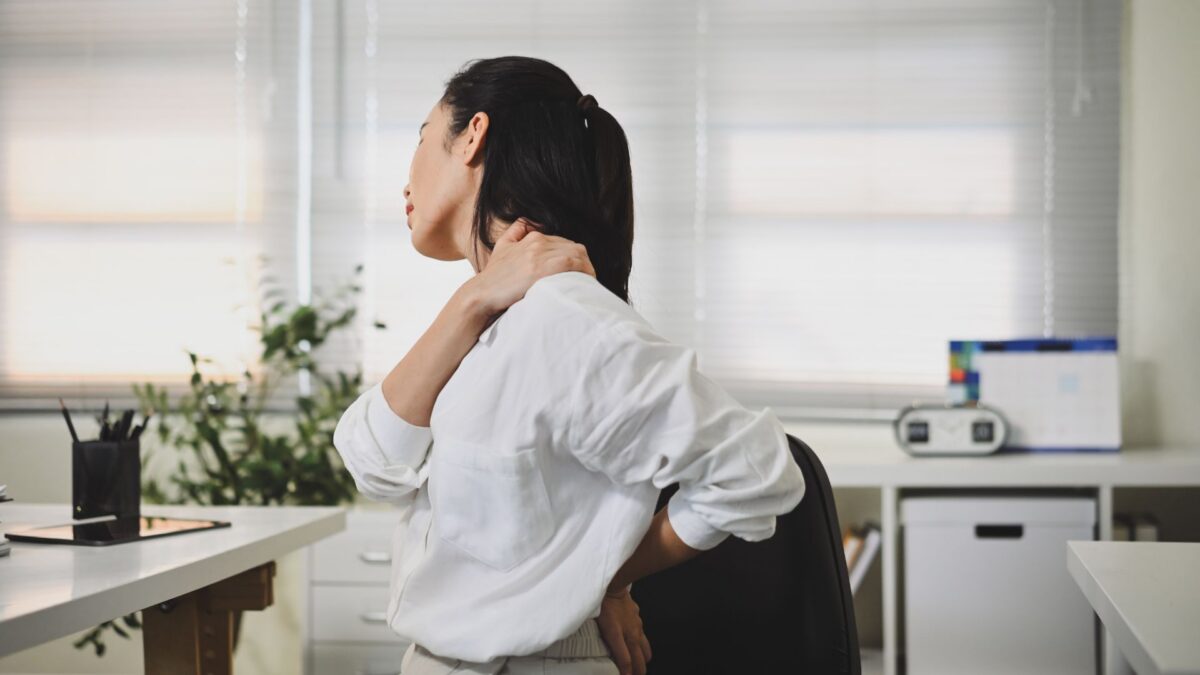
Between long work hours, commuting, and screen time at home, many people are sitting more than ever before, leading to poor posture, tight hips, stiff shoulders, neck tension, and persistent back pain. At ProHealth Pilates and Physical Therapy, we regularly help clients improve posture, reduce discomfort, and move better through Pilates and physical therapy.
You don’t need to spend hours in the gym to feel better. A few simple Pilates movements can help undo the effects of sitting and support a healthier, stronger body.
Why Sitting All Day Causes Pain
When you sit for long periods, certain muscles become tight while others weaken. Hip flexors shorten, glutes become inactive, and the upper back rounds forward. Over time, this imbalance can contribute to:
- Neck and shoulder tension
- Lower back pain
- Poor sitting posture
- Reduced core strength
- Tight hips and hamstrings
- Headaches and fatigue
Many office workers and work-from-home professionals search for solutions to back pain from desk work, but the key is often learning how to move more intentionally throughout the day.
How Pilates Helps Office Employees
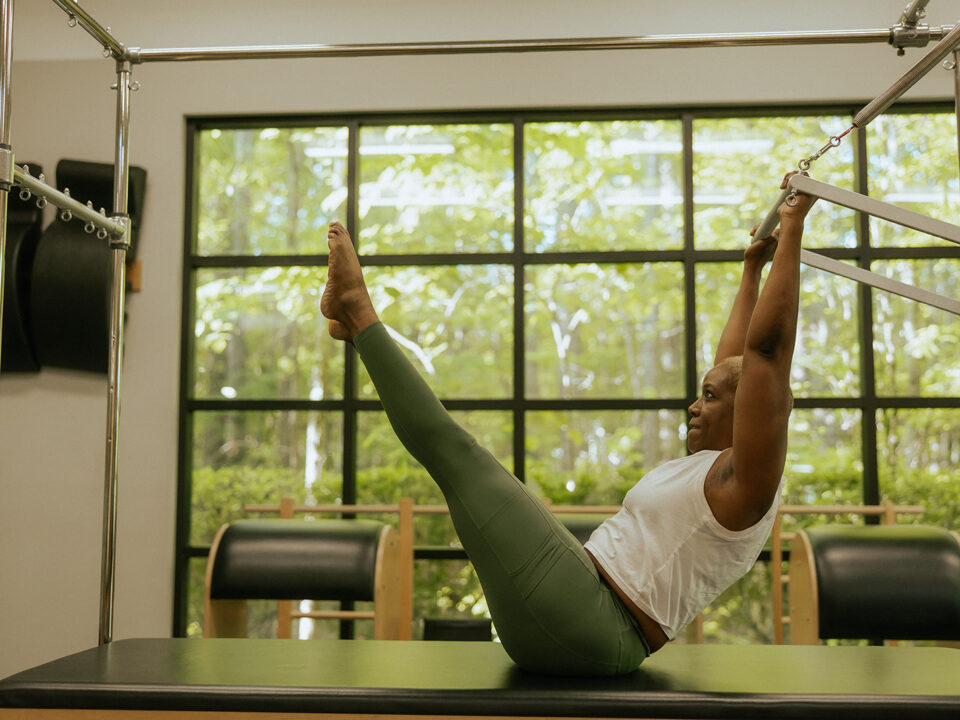
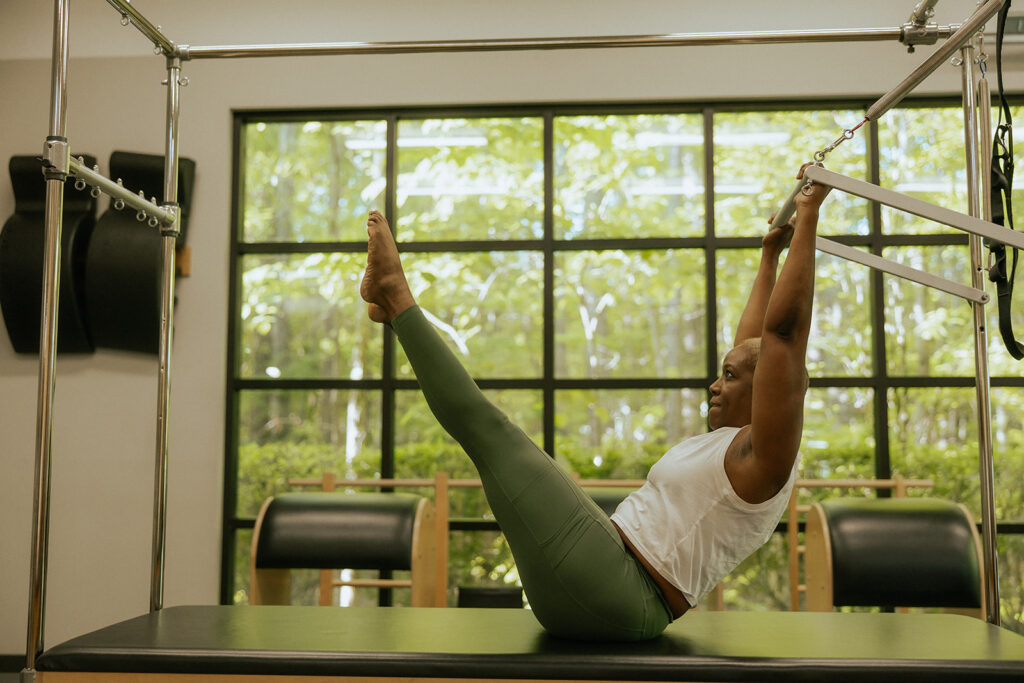
Pilates can improve posture through strengthening the core muscles, increasing flexibility, and improving body alignment and awareness. Pilates is low-impact yet still strengthens the body and is effective in helping reduce back and joint pain.
Pilates is especially effective for improving posture because it targets deep core muscles that support the spine. Better posture can help reduce back pain during the workday.
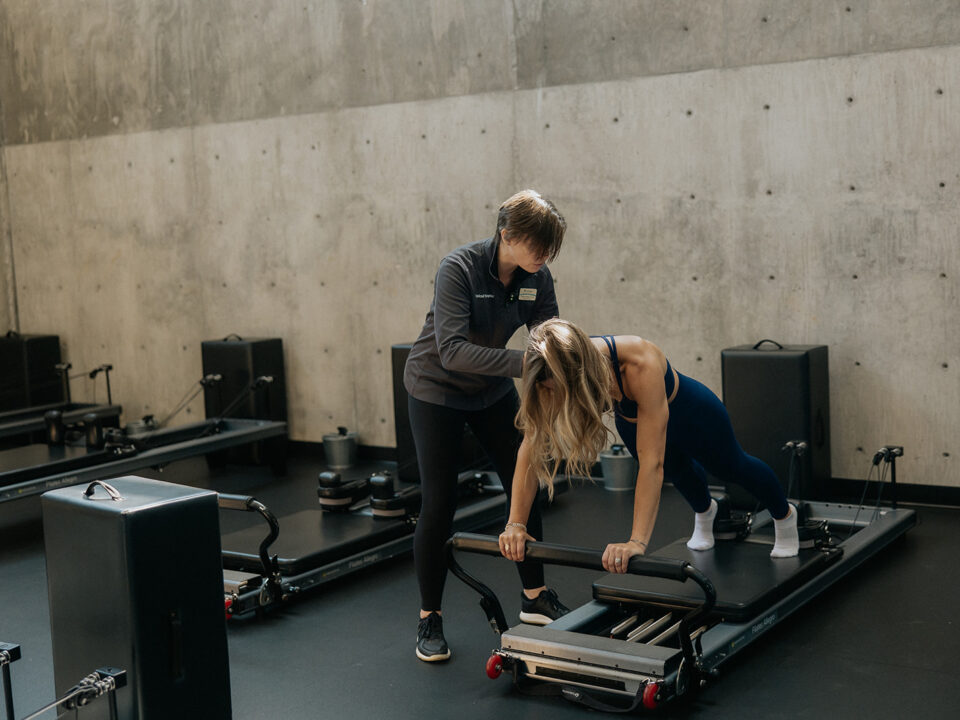
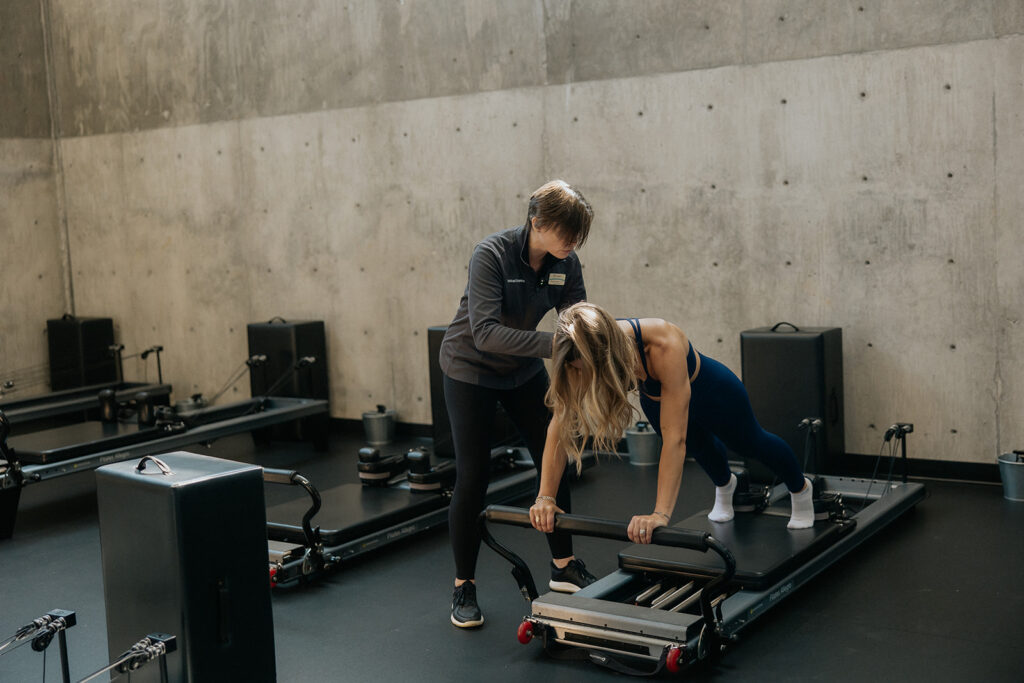
At ProHealth Pilates and Physical Therapy, we often recommend Pilates for clients experiencing stiffness from desk jobs, repetitive strain, or sedentary lifestyles.
5 Pilates Exercises to Do After Sitting
Try these beginner Pilates mat exercises before and after sitting for long periods. You can do them at home, while traveling, or even during short work breaks.
1. Pelvic Tilts
Pelvic tilts increase lower spine mobility, activates the core and relieves tension from sitting.
How to do it:
- Lie on your back, knees bent, feet on the mat hip width apart.
- Inhale to prepare.
- Exhale and gently flatten your lower back into the floor. Your pelvis will naturally tilt as you do this.
- Inhale and return to neutral.
Repeat 10–12 times.
2. Chest Opener Stretch
Hours spent at a computer often lead to rounded shoulders and tight chest muscles. This stretch helps improve posture and awareness while sitting.
How to do it:
- Clasp your hands behind your back while standing with feet hip width apart.
- Gently lift your chest and pull your shoulders back while keeping your core muscles pulled in.
- Hold for 20–30 seconds while breathing deeply.
3. Cat-Cow Stretch
A favorite Pilates-inspired spinal mobility exercise helps reduce spinal tension and improves mobility.
How to do it:
- Start on hands and knees. Hands are under the shoulders and knees are under the hips. Pull the abdominals in towards the spine.
- Inhale and arch the back slightly while lifting the chest, keeping the abs pulled in and arms straight.
- Exhale and round the spine.
Repeat slowly for 8–10 breaths.
4. Glute Bridges
Sitting weakens the glutes, which are essential for supporting the lower back and pelvis. Bridges will help reduce back strain and improve core strength.
How to do it:
- Lie on your back with knees bent, feet hip width apart, arms by your side.
- Press your heels into the mat while you lift your hips into a bridge position. Engage the muscles in the hamstrings, glutes and core.
- Pause briefly at the top before lowering down.
Repeat 10–15 times.
5. Seated Spine Rotation
Seated Spine Rotation is a great office exercise you can do right at your desk to improve mobility.
How to do it:
- Sit tall in your chair.
- Place one hand on the opposite knee.
- Gently rotate your torso.
- Hold for a few breaths and switch sides.
Small Movement Breaks Make a Big Difference
You don’t need a complete lifestyle overhaul to feel better. Standing up regularly, stretching throughout the day, and practicing a few Pilates exercises consistently can significantly improve how your body feels.
Set a timer to move every 30–60 minutes like a quick walk, desk stretch, or posture reset. These can help reduce stiffness, improve circulation and give a needed energy and focus boost during long work hours.
Find Relief at ProHealth Pilates and Physical Therapy
If you’re struggling with back pain from desk work or looking for a lasting sitting posture fix, personalized guidance can make all the difference. At ProHealth Pilates and Physical Therapy, our team combines Pilates and physical therapy to help clients move better, feel stronger, and live with less pain.