- Mon - Fri
7.30 AM – 5.30 PM
Other hours upon request - 770-487-1931

Setting Realistic Fitness Goals with Pilates
By Tamara Newell
March 2026
Many people over 40 are done looking for quick fix fitness. Rather, this season of life calls for sustainable exercise to build strength, mobility, and energy. Functional fitness goals that help ease joint stiffness, balance challenges, boosting energy and minimizing the risk of injury are common motivations for fitness goals. The key isn’t doing more when goal setting, it’s having the right Pilates plan.
Why Traditional Fitness Goals Don’t Work Long-Term
If you’ve set short term fitness goals like “lose 10 lbs” or “drop a dress size”, only to find yourself boomerang back to your pre-goal self, there’s a good reason why. Most short, intense programs aren’t realistic in maintaining the progress long term. Appearance based goals may motivate you initially, but they can lead to burnout. Intense programs are difficult to maintain through holiday seasons, busy schedules and vacations. Additionally, these hyper intense programs can put you at risk for injury.
Rather than seeking a quick-fix plan, retrain yourself toward working for sustainable progress. While the road might take longer at first, overtime you’ll enjoy a healthy lifestyle more and are more likely to create lasting change.
Step 1: Redefine Your Fitness Goals
Long term fitness planning calls for realistic fitness goals. For example, consider function-based goals such as:
● Reducing back pain
● Increased mobility helping to improve daily chores
● Standing taller with better posture
● Increase bone density
● Build endurance to keep up with grandchildren
All of these will improve your quality of life, and provide positive feedback encouraging you to continue with healthy habits. When you’re creating fitness goals make sure they align with your current lifestyle and health needs. Goal setting with this approach should keep you energized and motivated long term.
Step 2: Build a Personalized Pilates Plan
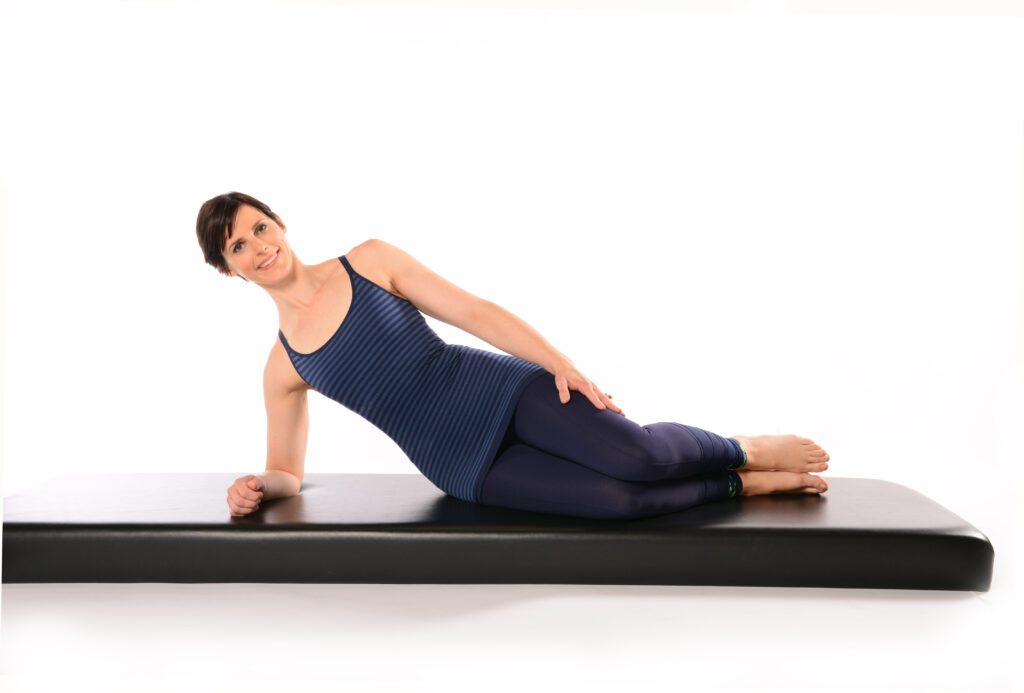
Pilates works especially well for aging bodies. A well designed Pilates plan is:
● Low impact
● Joint-friendly
● Builds core strength safely
● Improves flexibility and posture
● Supports balance and stability
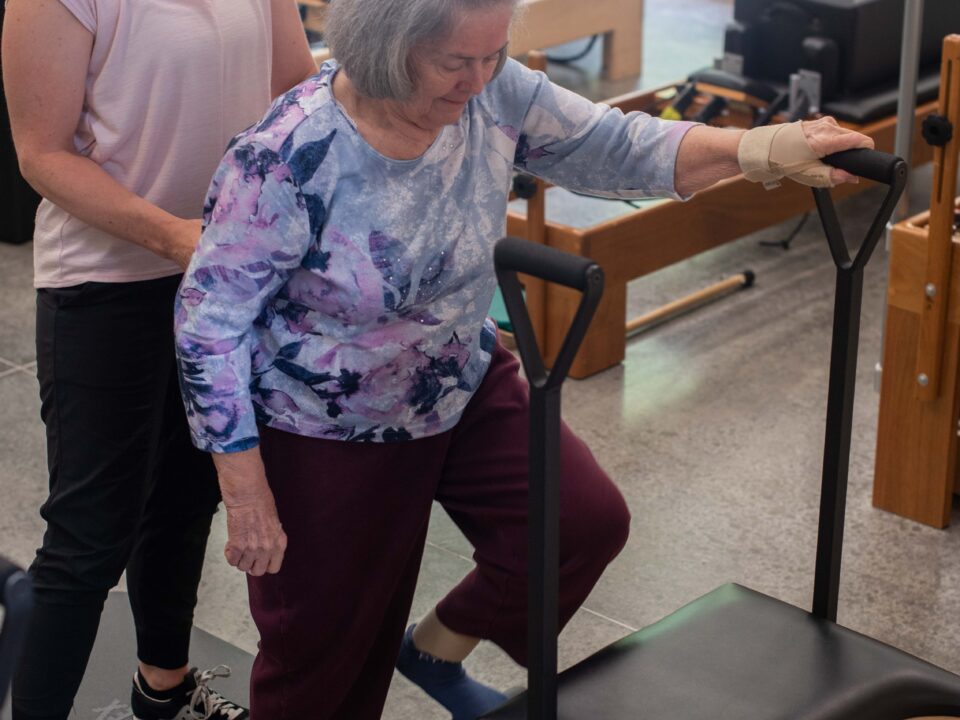
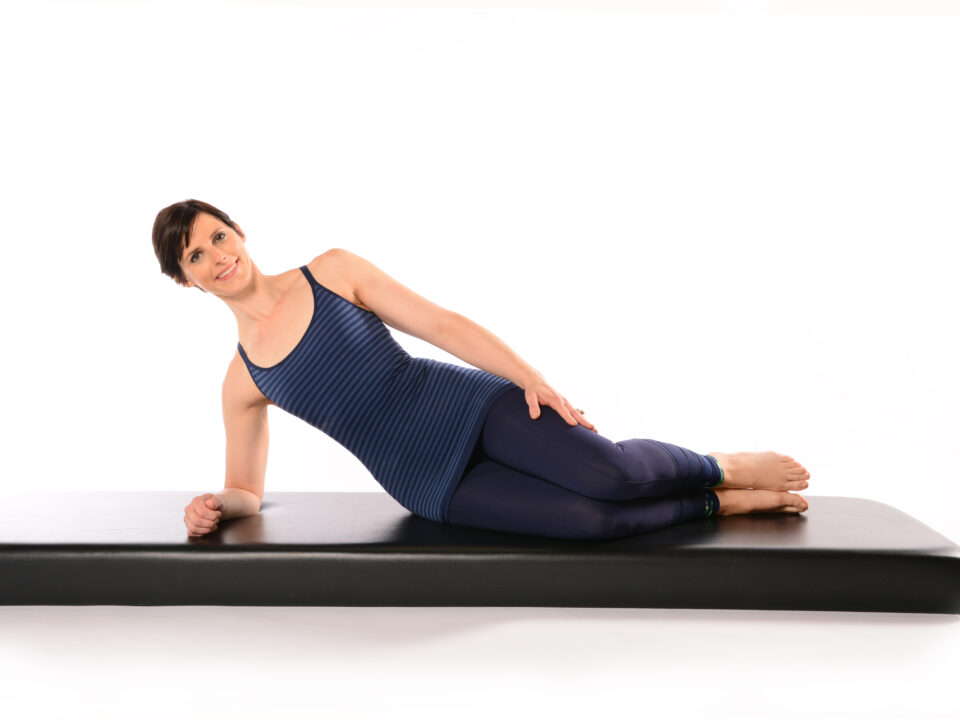
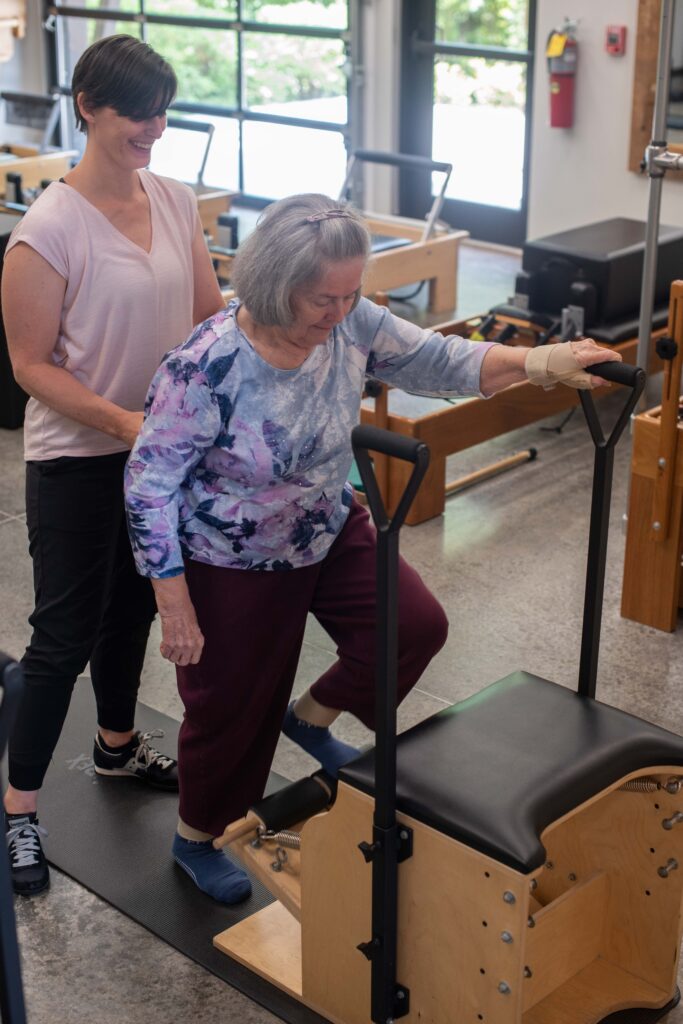
For a sustainable exercise routine, 2-3 sessions per week are recommended. Practice a combination of reformer and mat work to keep the mind and body challenged. Be sure to speak with your instructor about any physical limitations or current injuries. Home Pilates workouts can be beneficial, but working with a certified instructor will help you create personalized fitness planning to support your needs and goals.
Step 3: Use Progress Tracking That Motivates
Progress tracking keeps you motivated with long term fitness progress. It’s common to resort towards jumping on the scale to see how far you’ve come, but weight can fluctuate daily, and not give a full picture of your overall progress. Instead track:
● Increased range of motion
● Improved balance
● Stronger plank hold
● Reduced pain
● Better posture
● Energy levels
Consider keeping a simple tracking journal and doing a monthly check-in. Simply write a few sentences on where you are currently and any improvement you see and feel. A monthly check-in is easy to maintain and creates space for the occasional schedule hick-up like vacations, holidays and missed sessions due to sickness. It also gives your body ample time to improve each month.
The Secret to Sustainable Exercise After 40
The key to sustainable fitness is long term consistency. Intense programs can be enticing, but creating a lifestyle of listening to your body, enjoying movement, making room for recovery and celebrating small wins along the way are the building blocks of a healthy lifestyle. Not only that, sustainable exercise keeps you independent and active long-term.
Call to Action
It’s never too late to start a healthy lifestyle. At ProHealth Physical Therapy and Pilates, we’re ready to help you create your personalized Pilates plan to help you on your fitness journey.