- Mon - Fri
7.30 AM – 5.30 PM
Other hours upon request - 770-487-1931

How Pilates Supports Posture Correction and Spinal Health

By Tamara Newell
January 2026
Spinal health typically isn’t top of mind for most of us until there’s an issue. Yet, back pain is incredibly common. The NIH states that 80% of Americans will experience back pain at some point in their lives and at any given point. And at least 1 in 4 Americans currently do. With rates of back pain that high, paying attention to your posture and spinal health is important.
Sitting all day at our desk or car is well known to be a factor in current back pain rates. What can you do to fix this if excessive sitting at a desk or car will remain in our lives for years to come? Just because you sit all day, does not equate a lifetime of back pain. There are ways to reduce or eliminate general back pain for most people.
What actually improves posture?
Better posture is key to reducing back pain. If back pain has crept into your life, assess your posture. Awareness is the first step to improving your posture. How do you currently stand and sit? How does your posture change while focusing or when stress is high? Understanding and being aware of posture habits is important.
This checklist walks you through healthy posture from head to toe.
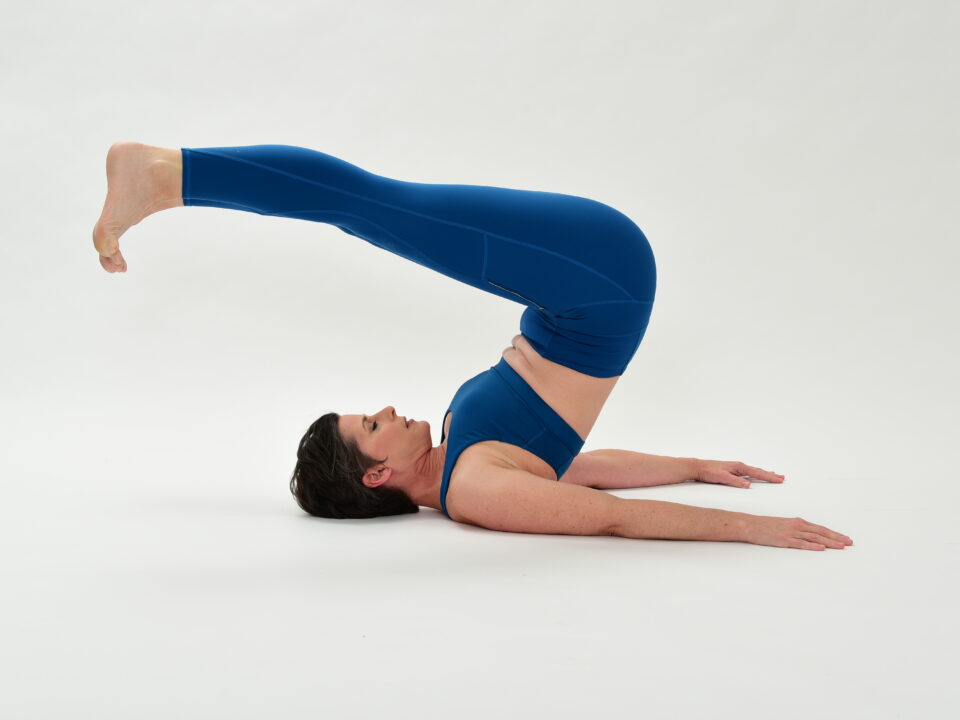
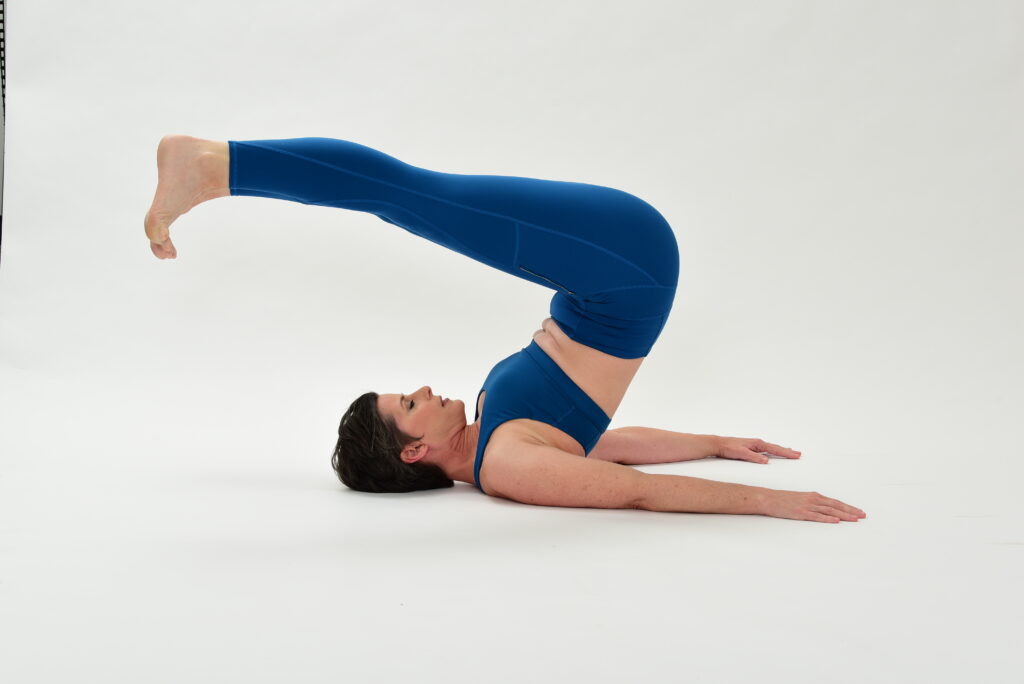
Once you have awareness of your current posture habits and what healthy posture is, incorporate a Pilates practice. Pilates builds core muscles to support posture, as well as increasing mobility to reduce physical tension. With a consistent Pilates practice, you’ll gain more awareness of your posture throughout the day, allowing you to self correct as needed.
How can I improve my back health?
Posture correction, building core strength and Pilates spine alignment all help improve back health. Working together, this will increase core and back strength, reduce tension, improve mobility and increase your body awareness.
For practical day to day tips on additional ways to improve your posture, spinal health and reduce back pain, follow the five tips listed below.
5 Tips for Better Posture
1. Check your chair
Ask your HR department if they offer ergonomic assessments of your chair to desk positioning. They may be able to provide adjustments to your chair as needed.
If you’d like to check your workspace alignment yourself, keep these tips in mind:
● Think 90 degree angles.
● Legs bend at a 90 degree angle, feet under knees and knees and hips aligned.
● Keep your torso at 90 degrees by lining shoulders over hips with a natural curve to the spine. Put a pillow behind your back if needed.
● Elbows and hands at the desk should also be in line. If your chair height isn’t adjustable, try sitting on a pillow.
● The top of your monitor should be at about eye height.
2. Take a break
Stand up, walk around for a few minutes at least once an hour while working at a desk or driving long distances. Not only will you back thank you, but your mind and eyes will get a much needed rest and reboot to continue on.
3. Set a reminder
Set an alarm on your phone, watch or computer for an hourly posture check in. Ideally, set it for 30 minutes after your hourly physical break of standing or walking. This will set you up for a posture check/ break every 30 minutes.
4. Watch what you carry
Heavy backpacks, uneven purses over the shoulder, carrying small children, and heavy grocery bags all put pressure on our spine and back. Be mindful while carrying heavy loads. Check your posture and engage your core muscles before and while lifting anything.
5. Hire a Pilates pro
Pilates is an excellent choice of exercise to improve posture and support long term spinal health. Work with a certified Pilates instructor to help you stay accountable to a committed practice. You’ll also get the most out of your time in the studio. They’ll be able to assess your current posture, address lifestyle factors contributing towards your back pain and make a personalized program tailored to your needs and goals.
ProHealth Physical Therapy and Pilates has a full Pilates class schedule along with private Pilates in Peachtree City, GA. Contact ProHealth today.