- Mon - Fri
7.30 AM – 5.30 PM
Other hours upon request - 770-487-1931

How Posture Affects Pain — and How Physical Therapy Can Help

January 2026
Neck pain that creeps in during the workday. A sore lower back after hours of sitting. Shoulder tension that never quite goes away. For many people, these aches feel like an unavoidable part of modern life. But often, the root cause isn’t age or injury — it’s posture.
Posture is the foundation of how the body moves, rests, and responds to gravity throughout the day. When alignment is off for long periods of time, the body adapts in ways that can lead to pain, stiffness, and strain.
“Posture is the foundation of everything we do every single day,” said Dr. Karyn Staples, founder of ProHealth Physical Therapy and Pilates Studio. “If that foundation is off, the body will compensate — and over time, those compensations show up as pain.”
Why posture problems are so common
Most people spend hours each day in one position — sitting at a desk, looking down at a phone, or standing with weight shifted unevenly. Teens often mirror these same patterns while doing homework or scrolling on devices. Over time, these habits lead to rounded shoulders, a forward head position, and poor spinal alignment.
“When things are in front of us all day, we naturally round forward,” Staples explained. “People know they should ‘sit up straight,’ but they don’t always know what that actually means or how to support their body correctly.”
In sitting, proper posture begins with being fully supported by the chair, feet flat on the floor, and the pelvis, rib cage, and shoulders stacked in alignment. But posture isn’t static. Even when the body appears still, muscles are working to manage gravity and maintain balance.
“If your bones aren’t aligned, your muscles can’t function well,” Staples said. “Something else will have to do a job it wasn’t designed for, and the body will choose the path of least resistance.”
How poor posture leads to pain
Some of the most common posture-related pain patterns include:
- Neck and upper back pain caused by a forward head position and rounded shoulders
- Shoulder pain linked to tight chest muscles and overworked neck muscles
- Lower back pain from prolonged sitting with poor pelvic alignment
- Strain from repetitive movements, especially when screens or keyboards aren’t positioned correctly
Even small habits — like cradling a phone between the shoulder and ear or working on a laptop without a separate monitor — can create significant strain over time.
“Our spine follows our eyes,” Staples noted. “If you’re constantly looking down, your spine will follow that position.”
Why movement matters as much as alignment
Research has long shown that prolonged sitting increases the risk of pain and dysfunction. In fact, sitting has often been referred to as “the new smoking.”
“It’s recommended to sit for no more than an hour at a time,” Staples said. “Then you need to get up and move — not just stand — for at least five minutes.”
Movement breaks help counteract the effects of gravity and reduce the buildup of tension caused by repetitive postures. Without them, the body continues to reinforce inefficient movement patterns.
“If you sit for eight hours straight, you’d need eight hours of activity to undo it,” Staples said. “That’s just not realistic.”
How physical therapy addresses posture-related pain
When patients come to ProHealth with neck or back pain, posture is one of the first things evaluated. Physical therapists assess how the body is aligned in sitting, standing, and movement, identifying patterns that may be contributing to pain.
“Sometimes simply adjusting someone’s alignment can significantly reduce their pain right away,” Staples said. “Often, people just don’t know what they don’t know.”
Physical therapy focuses on retraining posture through awareness, guided movement, and targeted exercises. This process helps patients move from unconscious habits to intentional correction — and eventually to automatic, healthier movement patterns.
“Pain is often the body’s signal that something isn’t right,” Staples explained. “Addressing it sooner rather than later can prevent years of compensation and more serious issues down the road.”
The role of Pilates-based physical therapy
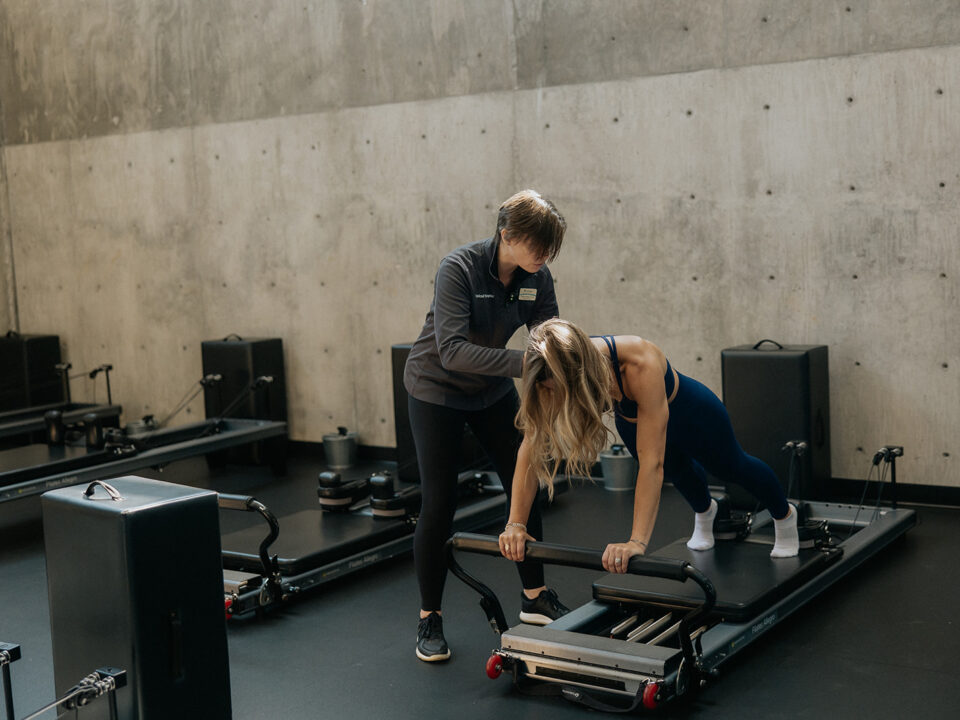
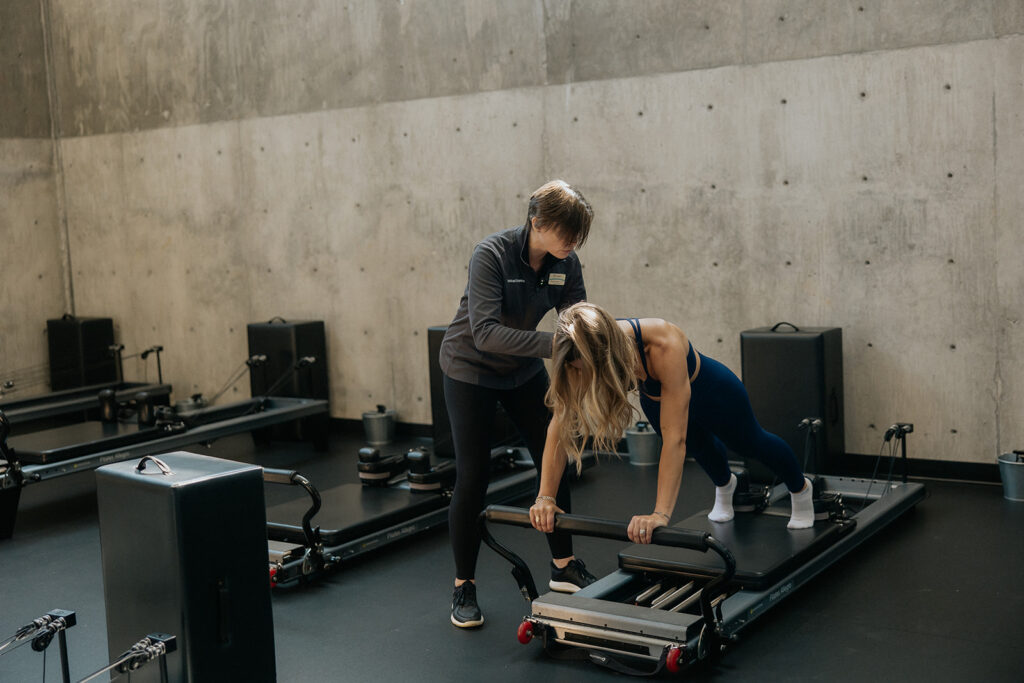
Pilates plays a key role in helping patients develop long-term postural awareness and control. Through mindful, guided movement, patients learn how proper alignment feels and how to maintain it during daily activities.
“Pilates helps bridge the gap between knowing what to do and actually doing it,” Staples said. “It builds strength, awareness, and control so alignment becomes more natural over time.”
This progression helps patients reach what Staples describes as “unconscious competence” — when the body automatically chooses better alignment without constant effort.
A foundation for long-term health
Ignoring posture-related pain can sometimes lead to more serious interventions, including surgery. Addressing alignment and movement early helps protect the spine and joints, reducing wear and tear over time.
“The body adapts to what it does most,” Staples said. “The goal is to give it better input, so it can move more efficiently and with less pain.”
ProHealth Physical Therapy and Pilates Studio is located at 1777 Georgian Park in Peachtree City. For more information or to book an appointment, call 770-487-1931 or visit prohealthga.com.