- Mon - Fri
7.30 AM – 5.30 PM
Other hours upon request - 770-487-1931

Movement is Medicine: Physical Therapy for Joint Stiffness and Inflammation
December 2025
Joint stiffness often shows up quietly. It may feel like a knee that doesn’t want to straighten after sitting too long, a shoulder that won’t move quite as freely in the morning, or hips that feel tight and achy when the weather changes. For many people, these sensations become easy to dismiss as “just part of getting older.” But physical therapists see something different: a signal from the body that movement matters more than ever.
At ProHealth Physical Therapy and Pilates Studio, clinicians often remind patients that movement is medicine—especially when it comes to managing joint stiffness and inflammation. Research continues to show that appropriate, guided movement helps reduce pain, improve circulation within joints, and support long-term joint health, even for individuals living with arthritis.
What Joint Stiffness and Inflammation Really Feel Like
Joint stiffness is different from muscle tightness. Muscles often feel like they need to stretch. Stiff joints, on the other hand, can feel as though motion simply stops.
“People describe it as reaching a point where the joint won’t go any farther,” said Dr. Karyn Staples, founder of ProHealth Physical Therapy and Pilates Studio. “It’s not a stretchy sensation—it feels more like the joint is pushing back.”
Inflammation within a joint can also cause discomfort at rest or during movement. Osteoarthritis, one of the most common forms of arthritis, involves inflammation and gradual wear within the joint itself. While arthritis can flare unpredictably—sometimes due to weather, activity, or even a minor misstep—many people are surprised to learn that joints with arthritis often feel better with movement, not worse.
“When you move, you improve circulation,” Dr. Staples explained. “That brings nutrients into the joint and helps clear out what’s been stagnant. That’s why stiffness often shows up after sitting too long.”
Why Physical Therapy Helps Reduce Stiffness
Physical therapy for joint pain relief focuses on more than isolated exercises. It looks at how the entire body moves together. Poor alignment, altered movement patterns, and compensations developed over time can all contribute to joint irritation.
Rather than avoiding movement, physical therapy teaches patients how to move safely and effectively, even during periods of inflammation.
“The goal isn’t to push through pain,” said Dr. Staples. “It’s learning what kind of movement your body needs at that moment—sometimes that’s gentle range-of-motion work, sometimes it’s strength, and sometimes it’s knowing when to back off.”
A physical therapist helps patients recognize warning signs, identify movements that create space within the joint rather than compression, and build strategies that reduce stiffness throughout the day—such as simple movements before standing or transitioning from sitting.
Movement as Arthritis Treatment
Arthritis treatment often brings to mind medications or injections, but movement remains one of the most effective tools for managing symptoms long-term. Physical therapy helps patients maintain joint mobility, improve strength around affected joints, and reduce flare-ups by addressing contributing factors throughout the body.
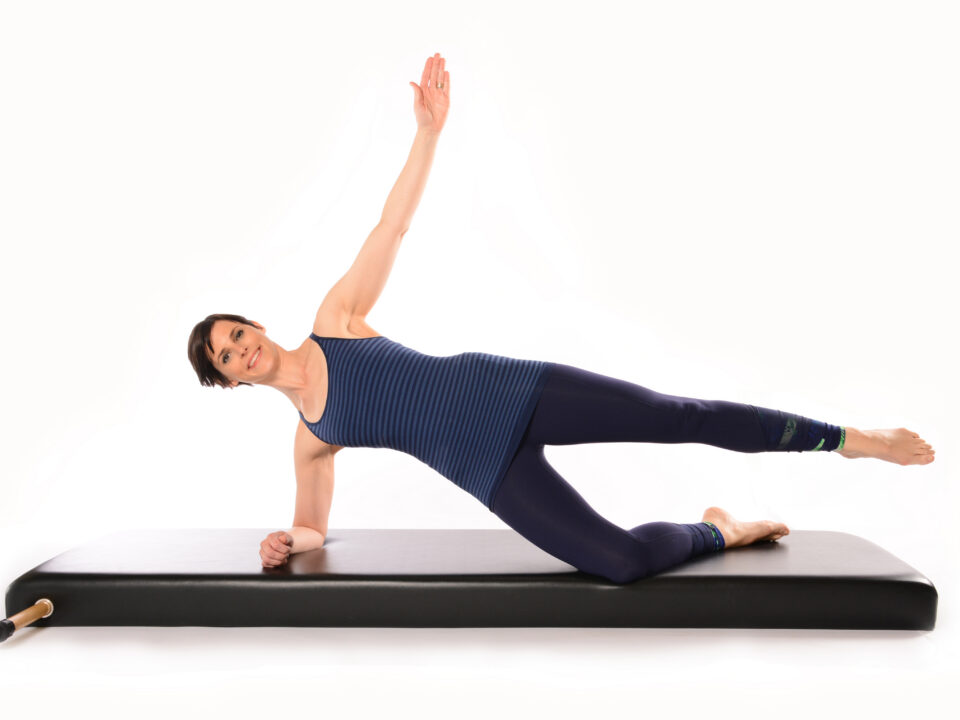
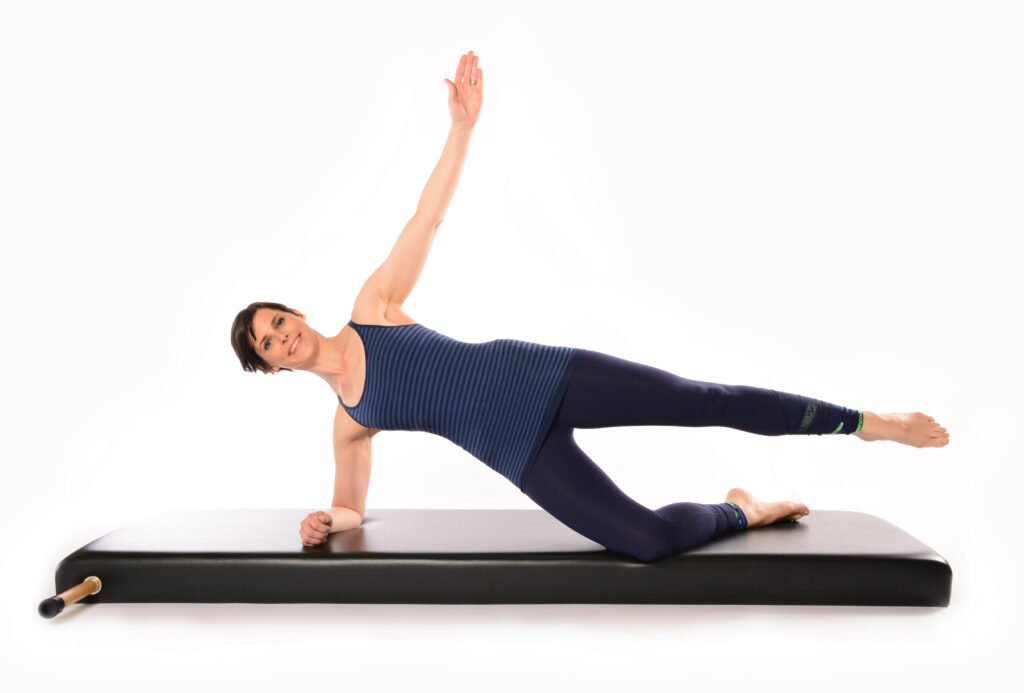
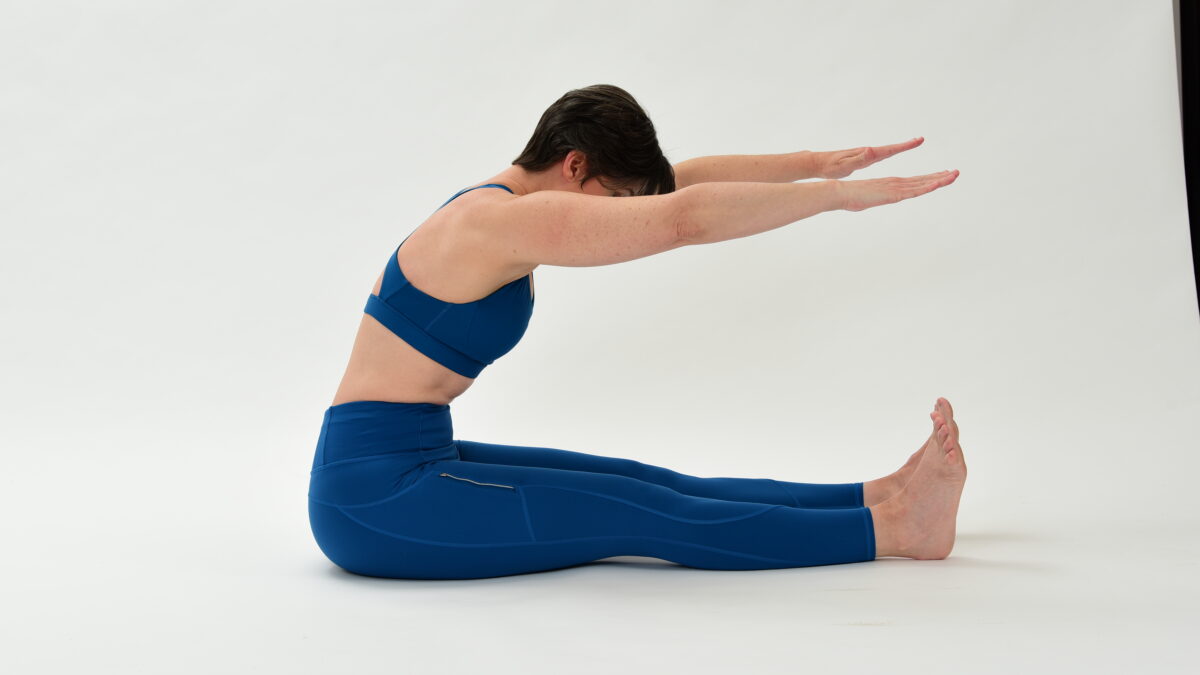
Pilates-based physical therapy plays an important role in this approach. Pilates emphasizes alignment, breathing, control, and whole-body movement, all of which support joint health.
“Pilates is stretch with strength and control,” Dr. Staples said. “It allows joints to move while being supported, which is critical for people dealing with inflammation or joint wear.”
Research supports Pilates-based movement for individuals with low back pain, joint replacements, balance concerns, and chronic stiffness. By strengthening the muscles that support joints, patients can move with more confidence and less strain.
Accessibility Across the Lifespan
One of the most common misconceptions about Pilates is that it’s only for young or highly flexible individuals. At ProHealth, clinicians see the opposite every day.
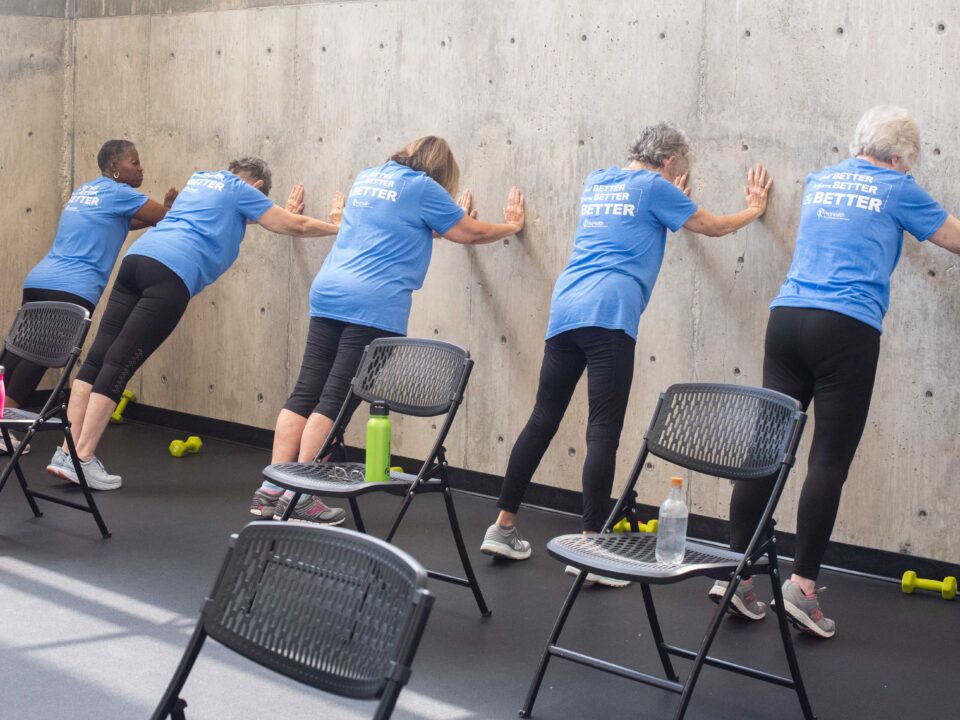
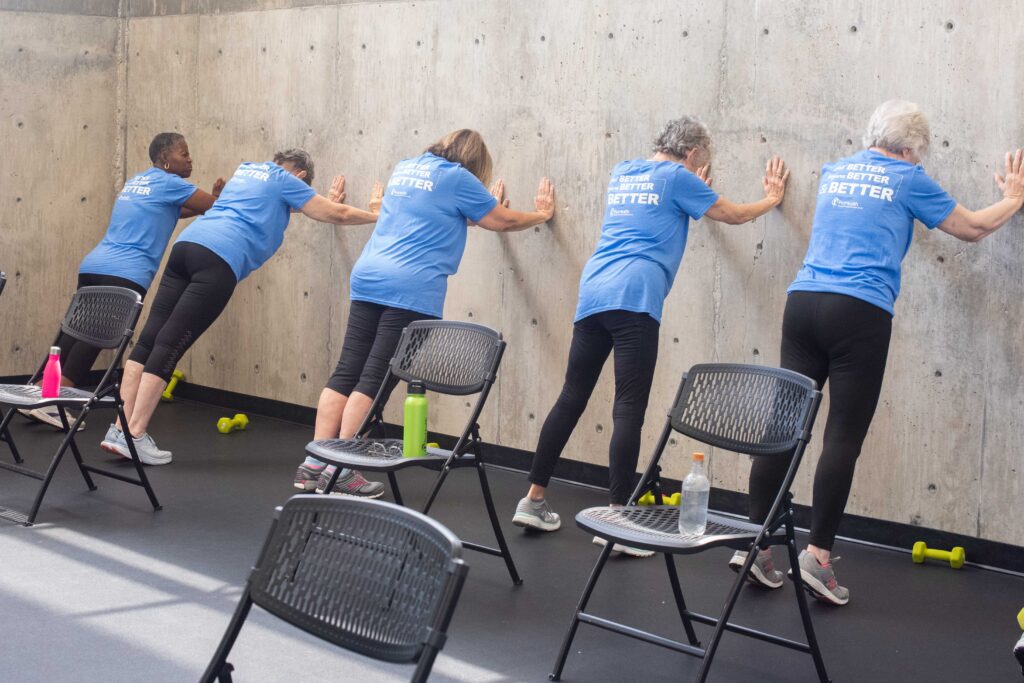
Pilates-based physical therapy is adapted for each individual, regardless of age or physical history. Small class sizes and clinically trained instructors allow exercises to be modified based on ability, injury history, or surgical recovery.
This adaptability means it’s not unusual to see people of different generations moving together—each at their own level—while receiving the same benefits of improved mobility and reduced stiffness.
“Every body is different,” Dr. Staples noted. “Our job is to help people move in a way that supports their joints, not challenges them beyond what’s appropriate.”
From Rehabilitation to Long-Term Wellness
Many patients first arrive at ProHealth seeking help for joint pain or inflammation. Over time, as movement improves and stiffness decreases, they often notice broader changes—standing taller, breathing more easily, and moving through daily life with greater ease.
This shift is why movement-based physical therapy is often the bridge between rehabilitation and long-term wellness. By addressing how the body moves as a whole, patients gain tools they can rely on long after formal therapy ends.
“Movement helps people do life better,” said Dr. Staples. “And that’s really what this is all about.”
ProHealth Physical Therapy and Pilates Studio is located at 1777 Georgian Park in Peachtree City. For more information or to book an appointment, phone 770-487-1931 or visit prohealthga.com.