- Mon - Fri
7.30 AM – 5.30 PM
Other hours upon request - 770-487-1931

ProHealth Physical Therapy and Pilates Studio Blog
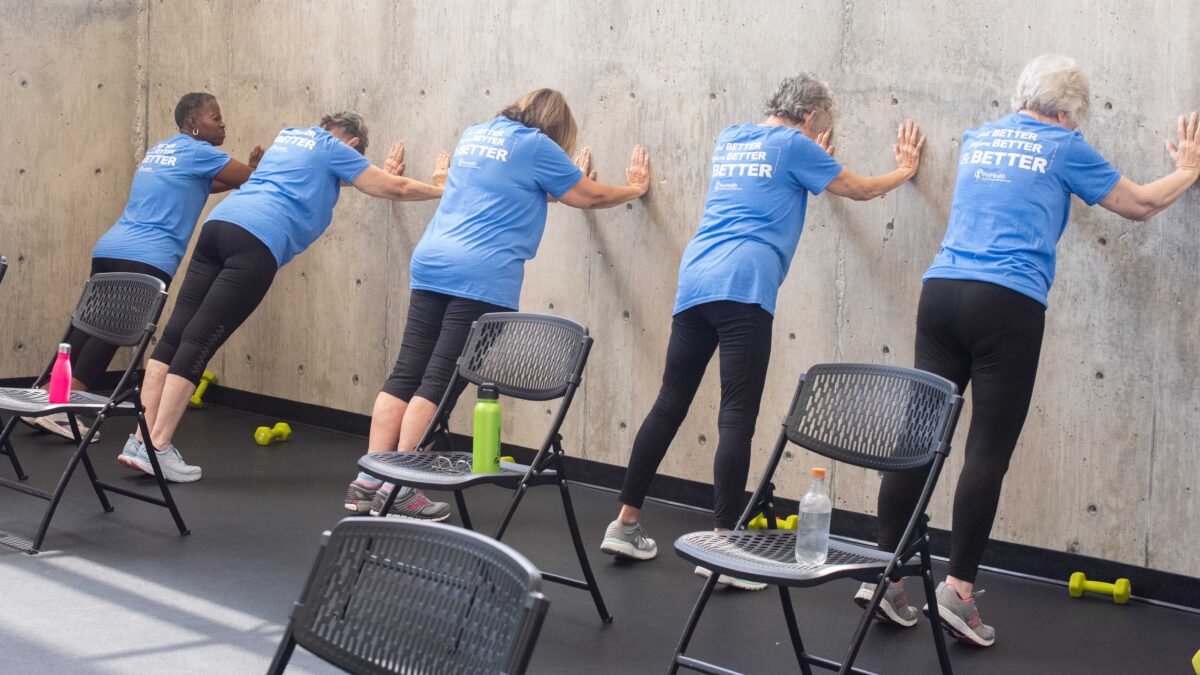
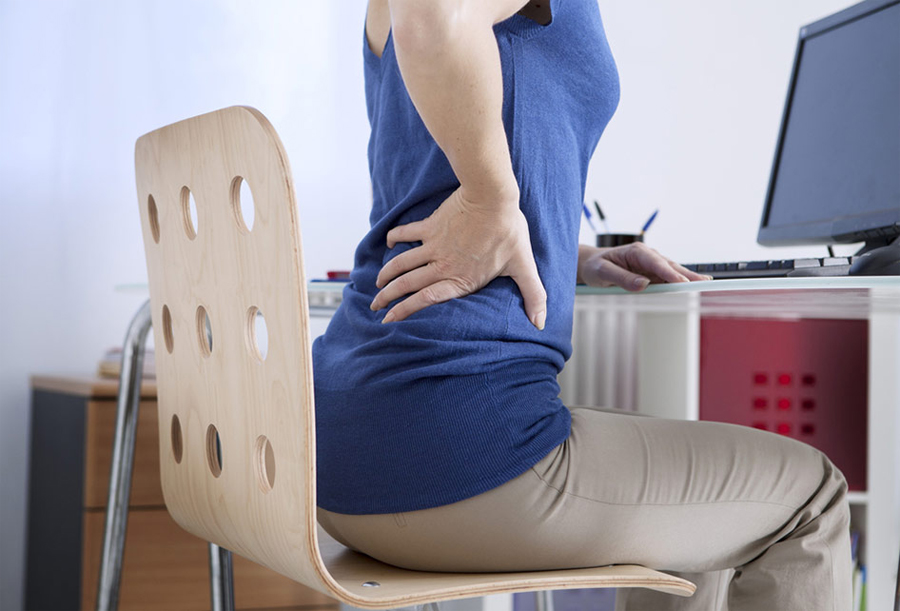
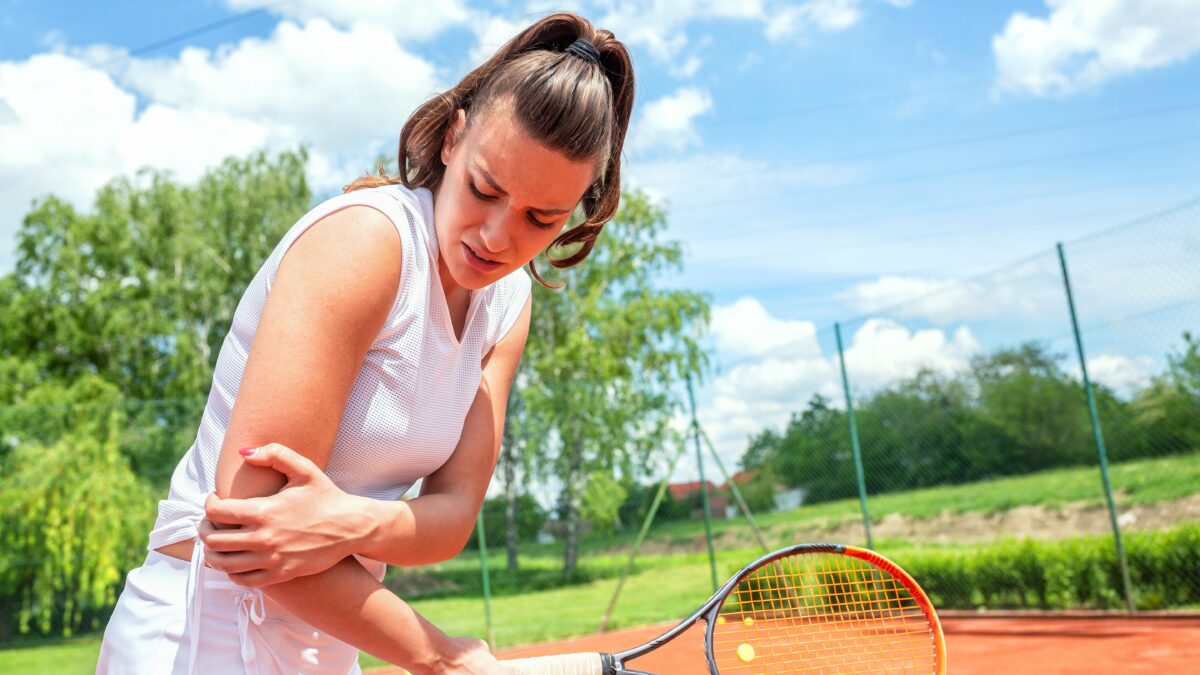
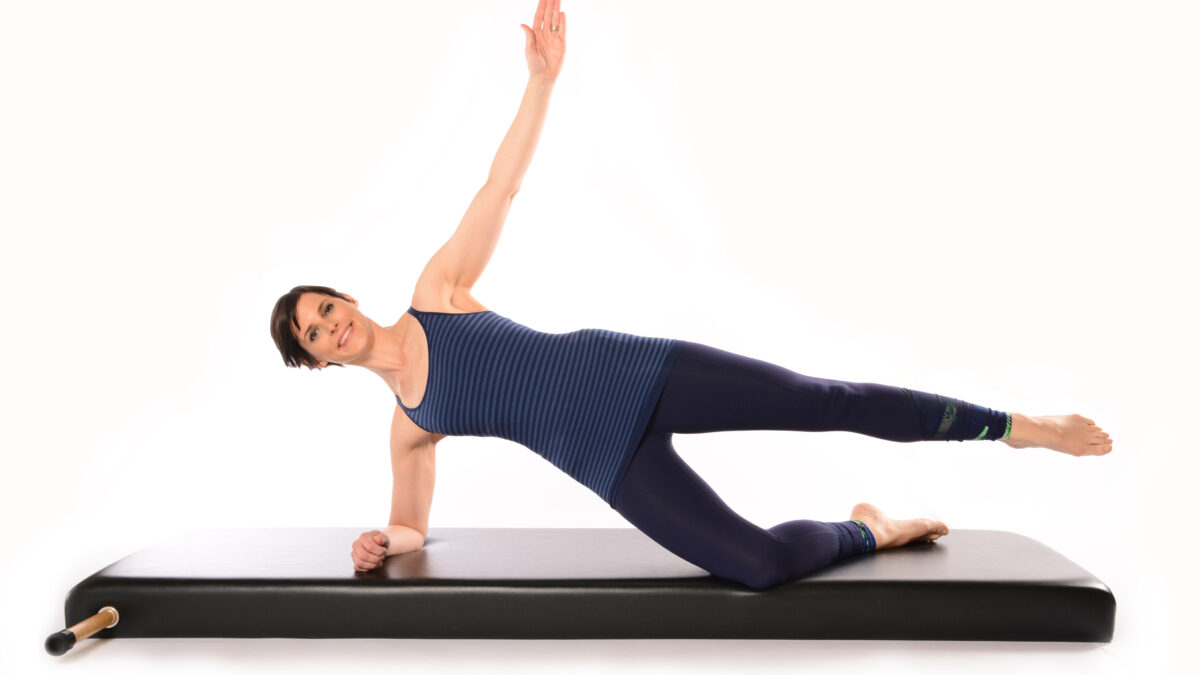
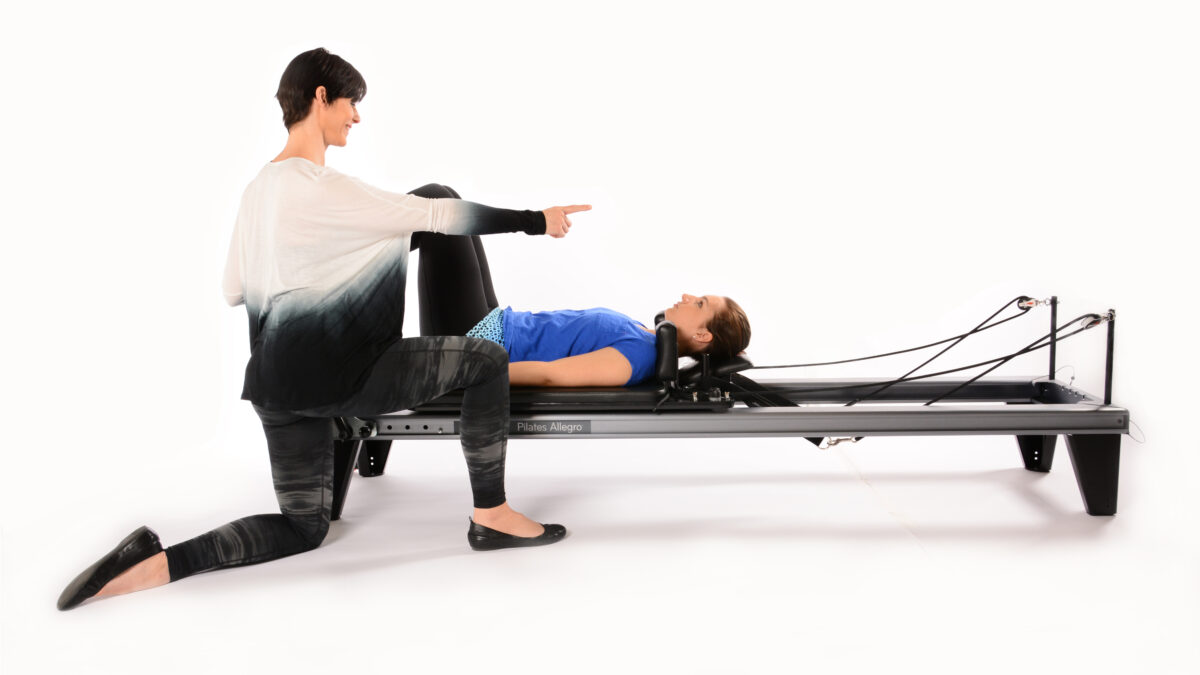

Osteoarthritis (OA) is the most common type of arthritis. It is also referred to as Degenerative Joint Disease. Don’t get scared by the fancy name, though. Degenerative just means a decline, while dis-ease just implies a lack of ease. This arthritis occurs when the flexible tissue (cartilage) starts to wear down at the end of the bones in a joint.
Symptoms:
Pain, joint damage, limited mobility. It usually occurs in the hands or the weight-bearing joints such as the knees resulting in inflammation. And is caused sometimes by injury, but can also be genetic predisposition. It is exacerbated by lack of exercise or overstress by improper body mechanics/movement and weight.

Osteoarthritis (OA) is the most common type of arthritis. It is also referred to as Degenerative Joint Disease. Don’t get scared by the fancy name, though. Degenerative just means a decline, while dis-ease just implies a lack of ease. This arthritis occurs when the flexible tissue (cartilage) starts to wear down at the end of the bones in a joint.
Symptoms:
Pain, joint damage, limited mobility. It usually occurs in the hands or the weight-bearing joints such as the knees resulting in inflammation. And is caused sometimes by injury, but can also be genetic predisposition. It is exacerbated by lack of exercise or overstress by improper body mechanics/movement and weight.
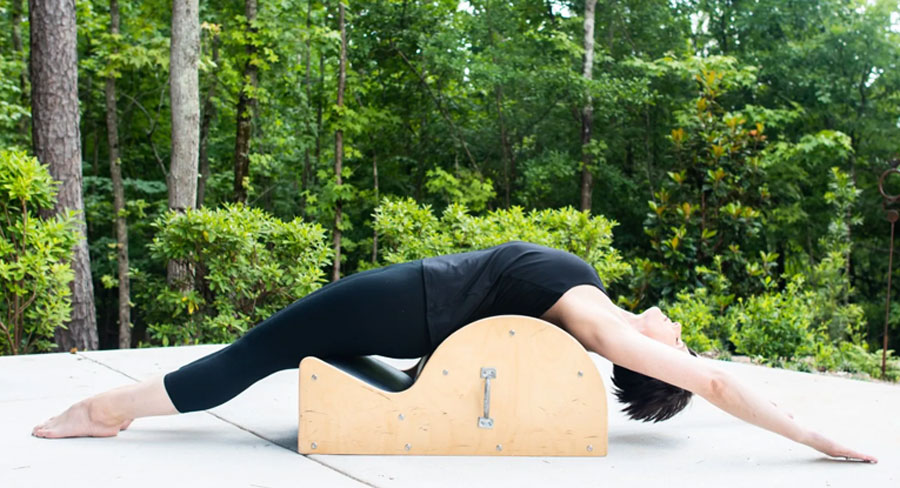
Osteoarthritis (OA) is the most common type of arthritis. It is also referred to as Degenerative Joint Disease. Don’t get scared by the fancy name, though. Degenerative just means a decline, while dis-ease just implies a lack of ease. This arthritis occurs when the flexible tissue (cartilage) starts to wear down at the end of the bones in a joint.
Symptoms:
Pain, joint damage, limited mobility. It usually occurs in the hands or the weight-bearing joints such as the knees resulting in inflammation. And is caused sometimes by injury, but can also be genetic predisposition. It is exacerbated by lack of exercise or overstress by improper body mechanics/movement and weight.

March 20th is designated "International Day of Happiness." What better excuse to talk about the effects of exercise on mental health!
Did you know that your emotions and your body are closely connected and that you can achieve a sense of happiness from your body movements? We aren't talking about looking at your body in the mirror and feeling happy with the reflection you see; we are talking about a physiological change that occurs in the body that affects the brain or vise versa.

We all know what anxiety can feel like. Many of us experience it at some point in our lives, but a lot of us experience it daily (especially in light of current circumstances in the world and our country). Whether you are someone who experiences anxiety infrequently or frequently, it's important to understand the affect it has on the body and understand the way to manage it from a physical standpoint.
What does Anxiety look like?
Anxiety can range from symptoms of restlessness, muscle tension, and difficulty sleeping to difficulty breathing, spasm, and panic attacks. Some people may experience it as occasional feeling of stress while other experience it as anxiety "disorder" - a chronic disordering of the natural state of being, mentally, physically, and emotionally.
You may be saying, “What is the psoas anyway?”
For many of us, psoas (pronounced “so-as”) a completely foreign term to our ears or eyes. For some of us, we know this word better as “hip-flexor.” Without getting too complicated, the psoas is a muscle which helps to bring the leg toward the torso (hip flexion) or vice versa. It also plays a roll in some side bending of the spine (lateral flexion). To be a little more complicated, the psoas is composed of the psoas major and minor (fun fact: the psoas minor only exists in a certain percentage of people). Major attaches from the lower lumbar (low back) spine through the pelvis, to the inner portion of the leg bones. It is the deepest muscle in the core and the only muscle that attaches the spine or torso to the legs directly.
Functionally, the psoas plays a major role in the position of the body in seated, walking, and even in standing.